
What Are Common Problems with CB-200 Hydraulic Bender Tools and How Can You Troubleshoot Them? Price in Nigeria
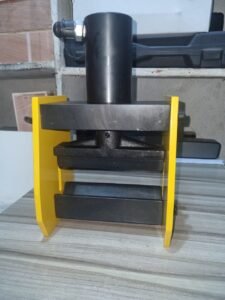
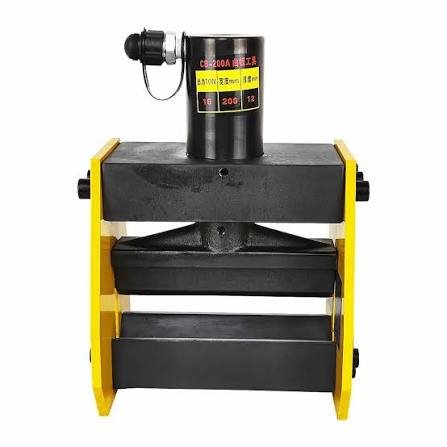
The CB-200 Hydraulic Bender Busbar is an industrial tool used to bend copper and aluminium busbars for electrical installations. It is commonly used by electrical contractors, switchgear manufacturers, control panel builders, and metal fabrication workshops. Like other hydraulic tools, it can develop problems due to poor maintenance, incorrect use, oil leaks, worn parts, or an unsuitable hydraulic pump. Knowing the common faults can help users identify problems early and reduce unnecessary downtime.
If you use a CB-200 hydraulic busbar bender, you may experience problems such as weak bending force, oil leakage, slow movement, incorrect bending angles, or difficulty releasing the busbar after bending. Some problems can be traced to simple issues, such as low hydraulic oil or incorrect material positioning. Others may require a trained technician. Proper troubleshooting helps protect the tool, improve work quality, and reduce repair costs.
CLICK TO BUY

If you are looking for the CB-200 Hydraulic Bender price in Nigeria, this article explains the common problems with the tool and how to troubleshoot them safely. It also covers its uses, maintenance tips, technical details, and where to buy hydraulic tools in Nigeria. Donnel Tech Ltd supplies industrial tools and equipment from F476, Alaba International Market, Ojo, Lagos State. Call or WhatsApp 08103608430 to ask about product availability, pricing, and delivery arrangements.
CB-200 Hydraulic Bender Price in Nigeria
The price of the CB-200 Hydraulic Bender Busbar in Nigeria depends on the exact model, manufacturer, condition, accessories, and whether a hydraulic pump is included.
For this product listing, the indicative price range is ₦450,000 to ₦500,000.
Before purchasing, contact Donnel Tech Ltd to confirm the current price and product specifications. Some CB-200 models require a separate hydraulic pump, which may affect the total cost.
Price and Product Summary
– Product name: CB-200 Hydraulic Bender Busbar
– Price in Nigeria: ₦450,000–₦500,000
– Product type: Hydraulic busbar bending tool
– Main use: Bending copper and aluminium busbars
– Typical capacity: Some CB-200A versions handle busbars up to 200 mm wide and 12 mm thick
– Hydraulic pressure: Commonly 700 bar for compatible models
– Power source: Compatible hydraulic pump
– Supplier: Donnel Tech Ltd
– Location: Alaba International Market, Ojo, Lagos State
– Call/WhatsApp: 08103608430
The stated price is an indicative budget range, not a verified live quotation. Specifications vary by manufacturer and model.
What Is the CB-200 Hydraulic Bender?
The CB-200 is a hydraulic tool designed to bend flat metal bars used in electrical power systems. These bars are known as busbars. They are commonly made from copper or aluminium and are used to carry electrical current in distribution boards, switchgear, and control panels.
The tool uses hydraulic pressure to create the force needed to bend a busbar. Many models require an external hydraulic pump. The pump sends pressurised oil to a cylinder, which moves the bending mechanism.
Some CB-200A versions can handle busbars up to 200 mm wide and 12 mm thick. These limits do not apply to every model, so users should check the manufacturer’s datasheet before use.
A properly maintained bender can produce consistent bends and help reduce manual effort. However, poor setup, damaged parts, incorrect pressure, and unsuitable materials can affect its performance.
Common Problems with CB-200 Hydraulic Bender Tools
The following are common problems that users may encounter. The correct solution depends on the exact model and the fault.
1. The Bender Does Not Produce Enough Force
One common problem is weak bending force. The tool may struggle to bend the busbar or may stop before reaching the required angle.
Possible causes:
– Low hydraulic oil level.
– Oil leaking from a hose or fitting.
– Incorrect or unsuitable hydraulic pump.
– Worn seals inside the pump or cylinder.
– Busbar thickness exceeding the tool’s capacity.
– Hydraulic pressure below the manufacturer’s required level.
How to troubleshoot it:
First, stop the operation and check the oil level according to the pump manual. Look for visible oil leaks around the hose, fittings, and cylinder. Confirm that the busbar is within the tool’s rated width and thickness.
Next, verify that the pump is suitable for the bender. Many CB-200A models use a single-acting hydraulic system rated for up to 700 bar, but the correct specification must be confirmed for your particular tool.
If the tool still lacks force, ask a qualified hydraulic technician to test the pump, valve, and cylinder. Do not increase the pressure setting beyond the manufacturer’s limit.
2. Hydraulic Oil Is Leaking
Oil leakage can reduce performance and create a safety hazard. It may occur around hose connections, seals, couplings, or the cylinder.
Possible causes:
– Loose or damaged fittings.
– Worn seals.
– Cracked or damaged hydraulic hoses.
– Damaged coupling surfaces.
– Excessive pressure.
– Incorrect installation.
How to troubleshoot it:
Stop using the equipment if you find an active leak. Switch off and isolate the power source where applicable. Follow the manufacturer’s procedure for safely releasing stored hydraulic pressure before inspection.
Check the outside of the hose and fittings for visible damage. Replace damaged hoses and seals with parts rated for the required pressure.
Never use your hand to search for a high-pressure hydraulic leak. Pressurised oil can penetrate the skin and cause a serious injury. Do not tighten or disconnect a pressurised hydraulic fitting.
If leakage continues after the damaged part has been replaced, have a technician inspect the system for pressure problems or damaged connection surfaces. Hydraulic troubleshooting guides also identify worn seals, damaged hoses, and loose fittings as common causes of leaks.
3. The Bender Moves Slowly
Slow movement can delay production and make the bending process difficult to control.
Possible causes:
– Low oil level.
– Incorrect oil type.
– Oil that is too cold or too thick.
– Restricted hydraulic hose or filter.
– Air in the hydraulic system.
– Worn pump or internal components.
How to troubleshoot it:
Check the oil level and confirm that the correct hydraulic oil is being used. Inspect accessible hoses for obvious damage, sharp bends, or crushing.
If the equipment has been stored in a cold environment, follow the manufacturer’s instructions for preparing it for operation. Do not continue operating the tool if it makes unusual noises or moves unpredictably.
A blocked filter, air entering the system, or worn pump parts may require professional inspection. Do not open hydraulic lines or attempt to remove air unless the manufacturer’s procedure specifically permits it.
4. The Bending Angle Is Incorrect
The bender may produce an angle that differs from the required measurement. For example, the busbar may bend too far, not far enough, or differently from one job to another.
Possible causes:
– Incorrect positioning of the busbar.
– Wrong bending die or setup.
– Worn or damaged tooling.
– Differences in busbar thickness or material.
– Incorrect reading of the angle scale.
– Insufficient or inconsistent hydraulic force.
How to troubleshoot it:
Check that the busbar is positioned correctly and supported as described in the manual. Inspect the bending surfaces for visible damage or wear.
Confirm that the material is within the machine’s rated capacity. Copper and aluminium may behave differently during bending, so do not assume the same setup will always produce the same result.
If the model has an angle scale, check that it is readable and use a suitable measuring tool to verify the finished angle.
Test the setup on an approved sample piece before producing a batch. If the angle remains inconsistent, ask a qualified technician to inspect the tooling and hydraulic system. Incorrect setup, worn dies, and material variation are recognised causes of inaccurate bends.
5. The Busbar Gets Stuck in the Tool
Sometimes the busbar may be difficult to remove after bending. This can slow work and may damage the material if force is applied incorrectly.
Possible causes:
– Incorrect busbar positioning.
– A bend that exceeds the tool’s intended range.
– A damaged or dirty bending surface.
– A workpiece that has shifted during operation.
– Incorrect use of the tool’s release or opening mechanism.
How to troubleshoot it:
Stop the operation and follow the manufacturer’s procedure for releasing hydraulic pressure. Keep hands away from pinch points and moving parts.
Once the system is confirmed safe, check whether the workpiece is positioned correctly. Inspect the tool for debris, burrs, or visible damage.
If the model has an opening or release mechanism, use it only as described in the manual. Never strike the tool or force the busbar out with an improvised lever.
If the busbar remains trapped, seek help from a qualified technician.
6. The Hydraulic Pump Makes Unusual Noise
A hydraulic pump may produce unusual noise when there is a problem with the oil supply or hydraulic system.
Possible causes:
– Low oil level.
– Air entering the system.
– Incorrect hydraulic oil.
– A blocked inlet or restricted hose.
– Worn internal pump parts.
How to troubleshoot it:
Stop using the pump if the noise is sudden, severe, or accompanied by vibration, overheating, or poor performance.
Check the oil level and look for signs of foaming. Review the maintenance history to see whether the correct oil was used.
Do not continue running a noisy pump in the hope that the problem will disappear. A technician may need to inspect the inlet path, pump, and hydraulic connections. Low oil, aerated fluid, and restricted inlet flow are recognised causes of hydraulic pump noise.
7. The Tool Does Not Return to Its Starting Position
Some users may find that the bending mechanism does not return smoothly after the pressure is released.
Possible causes:
– A problem with the return mechanism.
– A blocked or damaged hose.
– Incorrect valve operation.
– Internal leakage or a damaged cylinder.
– A mechanical obstruction.
How to troubleshoot it:
Stop the operation and follow the manual’s pressure-release procedure. Check for visible obstructions only after the tool is in a safe state.
Confirm that the hydraulic pump and bender are designed to work together. Some tools rely on a spring or other mechanical method to return, while other systems use a different hydraulic arrangement.
If the mechanism remains stuck, do not pull or force it back manually. Arrange a professional inspection.
8. The Busbar Develops Marks, Cracks, or Deformation
A finished busbar may show surface marks, twisting, cracks, or unwanted deformation after bending.
Possible causes:
– Incorrect bending setup.
– Worn or damaged dies.
– Material that is unsuitable for the required bend.
– Excessive force.
– Incorrect bending radius.
– Misalignment of the busbar.
How to troubleshoot it:
Check the busbar dimensions and material specification. Inspect the bending surfaces for damage and ensure that the workpiece is correctly positioned.
Do not exceed the tool’s rated capacity. If cracks appear, stop using the affected busbar and assess whether it is safe for the intended electrical application.
Do not attempt to repair a cracked busbar by simply bending it again. The part may need to be replaced in line with the applicable engineering requirements.
9. The Pump Overheats
Excessive heat may indicate that the pump is working under unsuitable conditions.
Possible causes:
– Continuous operation beyond the duty cycle.
– Incorrect oil.
– Restricted oil flow.
– Excessive pressure loss.
– Internal wear.
– Poor ventilation around the motor or pump.
How to troubleshoot it:
Stop the machine and allow it to cool according to the manufacturer’s instructions. Check whether the pump has been used beyond its rated operating cycle.
Make sure the equipment has adequate ventilation and that the correct oil is being used.
If overheating returns during normal operation, arrange a technical inspection. Do not bypass thermal protection or change pressure settings to hide the problem.
10. The Pump and Bender Are Not Compatible
A pump may connect physically to the tool but still fail to operate it correctly.
Possible causes:
– Incorrect working pressure.
– Unsuitable oil flow.
– Wrong hydraulic coupling.
– Different hydraulic action.
– Incorrect hose rating.
– Incorrect control or return arrangement.
How to troubleshoot it:
Check the pump and bender datasheets. Confirm the required pressure, oil flow, hydraulic action, connection type, and hose rating.
Some CB-200A models are designed for a single-acting 700-bar pump. This does not mean every pump with a 700-bar rating is automatically suitable. The full hydraulic arrangement must match.
If you are unsure, ask the supplier or manufacturer to confirm compatibility before connecting the equipment.
CB-200 Hydraulic Bender Troubleshooting Table
Use this table as a quick reference. Always follow the instructions for your exact model.
Problem| Possible Cause| Recommended First Step
Weak bending force| Low oil, leak, wrong pump, excessive load| Check oil level, visible leaks, and rated capacity
Oil leakage| Damaged hose, seal, or fitting| Stop use and arrange safe inspection
Slow movement| Restricted flow, wrong oil, worn pump| Check oil and visible hose condition
Incorrect angle| Wrong setup, worn tooling, material variation| Check alignment and test a sample
Busbar stuck| Incorrect positioning or release procedure| Safely release pressure and follow the manual
Pump noise| Low oil, air, restricted inlet| Stop if severe; check oil and seek service
Poor return movement| Valve, hose, or return mechanism fault| Stop and arrange inspection
Cracked busbar| Excessive force or unsuitable bend| Stop and check material and tool capacity
Overheating| Excessive duty or restricted flow| Stop and allow cooling
Pump will not operate tool| Incompatible pump or connection| Compare both datasheets
Safety Precautions When Troubleshooting Hydraulic Tools
Hydraulic tools can operate at very high pressure. Incorrect repairs can cause serious injury.
Follow these precautions:
1. Switch off and isolate the equipment before inspection or maintenance.
2. Release stored hydraulic pressure using the manufacturer’s approved procedure.
3. Never touch a suspected high-pressure leak with your hand.
4. Never disconnect a pressurised hose or fitting.
5. Use only hoses and replacement parts rated for the system.
6. Do not exceed the pressure rating of the pump, bender, or accessories.
7. Keep hands clear of the bending area and other pinch points.
8. Wear suitable personal protective equipment for the task.
9. Do not bypass safety devices or use damaged equipment.
10. Use a trained technician for internal pump, valve, cylinder, or pressure-control repairs.
If a hose is damaged, a component moves without control, or the tool cannot safely release pressure, stop work and seek qualified assistance.
How to Maintain the CB-200 Hydraulic Bender
Preventive maintenance can reduce faults and help extend the life of the tool.
Check the Tool Before Use
Inspect the frame, bending surfaces, hose, couplings, and other visible parts. Do not use the equipment if you find cracks, severe wear, or damage.
Check Hydraulic Oil
Maintain the oil level according to the pump manual. Use only the specified hydraulic oil.
Do not mix oils unless the manufacturer confirms that they are compatible.
Keep the Tool Clean
Remove dirt and metal debris from accessible surfaces after use. Keep the bending area clean so that debris does not affect the position of the busbar.
Inspect Hoses and Couplings
Look for wear, damage, leaks, or loose parts. Replace damaged components with parts that meet the correct pressure rating.
Avoid Overloading
Use busbars that fall within the tool’s approved capacity. Do not attempt to bend a thicker or wider bar just because the pump appears powerful enough.
Store the Equipment Properly
Store the bender in a dry, clean location. Protect the hydraulic hose and couplings from damage.
Keep Maintenance Records
Record oil changes, leaks, repairs, unusual noises, and recurring problems. These records can help identify faults before they lead to costly downtime.
Where to Buy CB-200 Hydraulic Bender Tools in Nigeria
If you need a CB-200 Hydraulic Bender Busbar or related hydraulic tools, contact Donnel Tech Ltd for product availability, pricing, and technical enquiries.
Donnel Tech Ltd supplies industrial tools and equipment for electrical installation, busbar processing, metal fabrication, and workshop applications.
Donnel Tech Ltd Contact Details
Business name: Donnel Tech Ltd
Website: “Donnel Tech Ltd official website” (https://reference-url-citation.invalid/6)
Call/WhatsApp: 08103608430
Shop address: F476, Industrial Section, Alaba International Market, Ojo, Lagos State, Nigeria.
Contact the company to confirm the CB-200 model, current price, pump compatibility, available accessories, and warranty terms.
Delivery Enquiries for Buyers Across Nigeria
Customers outside Lagos can contact Donnel Tech Ltd to discuss delivery options to their state or city.
Enquiries are welcome from buyers in Abia, Adamawa, Akwa Ibom, Anambra, Bauchi, Bayelsa, Benue, Borno, Cross River, Delta, Ebonyi, Edo, Ekiti, Enugu, Gombe, Imo, Jigawa, Kaduna, Kano, Katsina, Kebbi, Kogi, Kwara, Nasarawa, Niger, Ogun, Ondo, Osun, Oyo, Plateau, Rivers, Sokoto, Taraba, Yobe, Zamfara, Lagos, and the Federal Capital Territory, Abuja.
Ask the supplier to confirm delivery availability, transport costs, estimated delivery time, and payment arrangements before ordering.
10 Related Hydraulic Tools and Equipment
Hydraulic Busbar Bender, Hydraulic Busbar Cutting Machine, Hydraulic Busbar Punching Machine, 3-in-1 Busbar Processing Machine, ZCB-700D Hydraulic Electric Pedal Pump, CP-700 Hydraulic Hand Pump, CP-700A Hydraulic Pump, Hydraulic Cable Cutter, Hydraulic Crimping Tool, Hydraulic Hole Puncher.
30 SEO Tags
CB-200 Hydraulic Bender, CB-200 Troubleshooting, Busbar Bender Problems, Hydraulic Tool Repairs, Hydraulic Bender Nigeria, CB-200 Price Nigeria, Hydraulic Oil Leakage, Low Hydraulic Pressure, Busbar Bending Problems, Hydraulic Pump Noise, Hydraulic Tool Maintenance, Busbar Tool Repair, Hydraulic Bender Service, Copper Busbar Bender, Aluminium Busbar Bender, Hydraulic Pump Problems, Busbar Bender Guide, Hydraulic Tool Safety, Hydraulic Pressure Loss, Hydraulic Hose Leakage, Busbar Angle Problems, Hydraulic Cylinder Faults, Hydraulic Pump Maintenance, Industrial Tools Nigeria, Hydraulic Tools Lagos, Busbar Processing Tools, Donnel Tech Ltd, Alaba Market Tools, CB-200 Busbar Tool, Hydraulic Bender Price.
Full SEO Meta Description
What are common problems with CB-200 Hydraulic Bender tools, and how can you troubleshoot them? Learn how to identify weak bending force, hydraulic oil leaks, slow movement, incorrect bending angles, pump noise, and other common faults. Find the CB-200 Hydraulic Bender price in Nigeria and contact Donnel Tech Ltd on 08103608430 for product enquiries and delivery arrangements across Nigeria.
Meta Short Description
Learn common CB-200 Hydraulic Bender problems and troubleshooting tips. Check the indicative price of ₦450,000–₦500,000 in Nigeria. Contact Donnel Tech Ltd on 08103608430.
Conclusion
The CB-200 Hydraulic Bender is a useful tool for bending copper and aluminium busbars used in electrical panels, switchgear, and power distribution systems. Common problems include weak bending force, oil leakage, slow movement, inaccurate angles, unusual pump noise, and compatibility issues. Regular inspection, correct hydraulic oil, proper setup, and operation within the tool’s rated capacity can help prevent many of these faults.
Always isolate the equipment and release stored pressure before maintenance. Do not open pressurised hydraulic connections or attempt repairs beyond your training. If the tool continues to leak, overheat, lose force, or operate unpredictably, contact a qualified technician.
For the CB-200 Hydraulic Bender price in Nigeria, use ₦450,000 ₦500,000 as the indicative range for this listing and confirm the current quotation before buying. Contact Donnel Tech Ltd on 08103608430 or visit F476, Industrial Section, Alaba International Market, Ojo, Lagos State, Nigeria. Buyers across Nigeria can contact the supplier to discuss product availability and delivery arrangements.